
March 20, 2026
How Often Should I Change My Oil
Everyone has a different idea of how often your vehicle’s oil should be changed and what kind of oil is best for your vehicle. It doesn’t help that opinions and vehicle requirements keep changing with new technology over time. What once worked for your grandpa’s 1957 vehicle is vastly different from what works with the vehicles of today. So who’s right? Let’s answer some questions about getting an oil change once and for all.
Why Do I Need to Change Engine Oil?
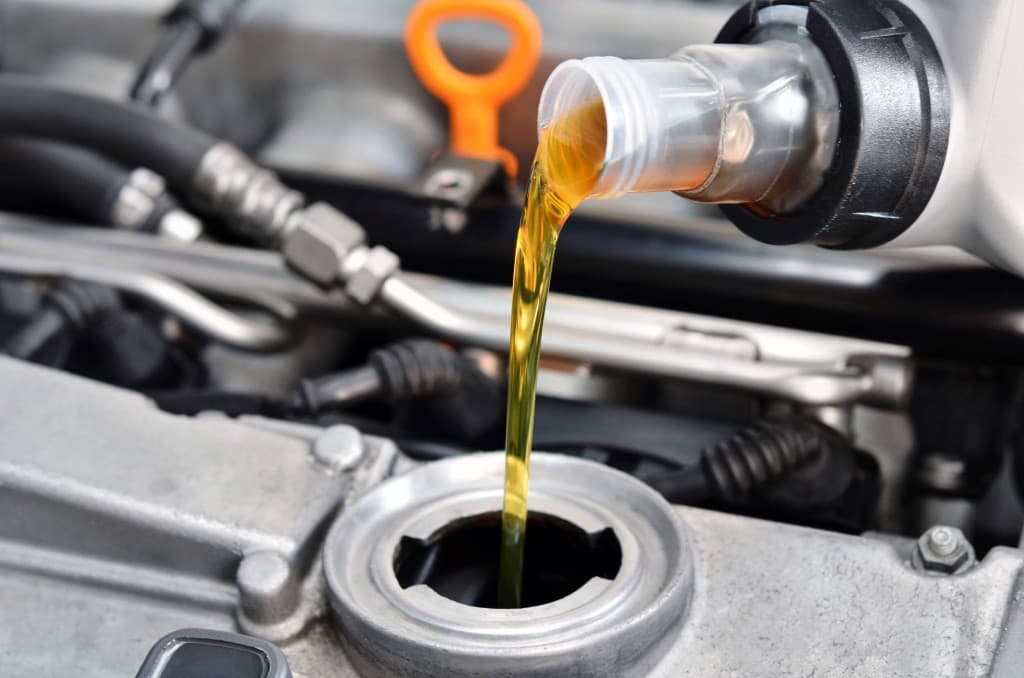
It’s simple: Dirty oil is less effective than clean oil. The oil in your car is like the blood in your veins; if it’s not there or it’s dirty, your vehicle can’t function properly. Over time, the contaminants in the dirty oil actually begin to erode the metal in the engine, causing parts of the engine to malfunction. Dirt and debris accumulate and rust reducers fail, causing the oil to become useless.
Regular oil changes ensure proper lubrication and cooling, helping prevent engine wear. Changing the oil isn’t just a pesky chore, it’s a necessity if you want your vehicle to last. Changing your oil with regularity can prolong the life of your engine and save you a lot of money and headaches over time. The bottom line: buying oil is cheaper than replacing an engine.
How Often Should You Change Your Oil?
Knowing how often to change engine oil is tricky because there isn’t a one-size-fits-all solution. Different cars and engines require different maintenance schedules. The old rule-of-thumb required that you change your oil between every 1,000 to 3,000 miles. This rule was black and white–about as basic as any rule of the road–and was drilled into drivers. Ask anyone who learned to drive a car before 1990 and they will probably say “3 months or 3,000 miles, whichever occurs first.”
For modern vehicles, follow your owner’s manual or oil life monitor (OLM) for the most accurate oil change interval. If you frequently drive in harsh conditions—stop-and-go traffic, extreme heat or cold, towing, or dusty environments—your oil change frequency should be shorter.
As a general guide:
- Conventional oil: every 3,000–5,000 miles
- Synthetic blend: every 5,000–7,500 miles
- Full synthetic oil: every 7,500–10,000 miles
- Diesel engine oil: about every 7,500 miles or per manufacturer’s recommendation
Modern cars with synthetic oil can safely go longer between oil changes, but always check your oil change indicator light and vehicle manual.
How Do I Know What Type of Oil Is Best for My Car?
Walk into any auto parts store and you’ll find several types of engine oil: full synthetic, synthetic blend, high-mileage, and diesel engine oil. Each serves a specific purpose. There are oil types for high-tech engines, new cars, higher-mileage vehicles, heavy-duty/off-road SUVs and even options for different seasons (winter/summer). So how do you know which type works best for your vehicle and driving style? Some might even wonder, “Is it ok to change oil brands or types?”
Your owner’s manual provides the best oil change recommendation for your car’s engine type and age. Always use the correct viscosity grade (for example, 5W-30 or 10W-30). Avoid mixing oil types and brands and let the experts at Meineke take care of your next oil change with service you can count on.
Understanding the Different Types of Engine Oil
Each option is designed to meet different vehicle needs, driving conditions, and engine requirements. Understanding how they differ can help you choose the right oil for your engine’s performance, longevity, and maintenance schedule.
Premium Conventional Oil Used mainly in older or low-mileage cars, conventional oil typically requires changing every 3,000 to 5,000 miles. It’s affordable but breaks down faster than synthetic oils. standard new-car oil (5W-20 or 5W-30 oil with 10W-30 oil as an option for high-temperature areas such as the desert in summer).
Full Synthetic Oil Made for high-tech engines where the oil needs to flow better at low temperatures and be at it’s top lubricity even at high temperatures. This oil type also costs more and some engines have features that synthetic oil doesn’t have.
Synthetic Blend Oil A synthetic blend oil change interval generally falls between 5,000 and 7,500 miles. This oil combines the benefits of conventional and synthetic for better performance in high-temperature or heavy-load conditions. Popular blend for trucks/SUVs.
Higher Mileage Oil Formulated for vehicles with 75,000 miles or more. High-mileage oil includes conditioners that rejuvenate seals and reduce leaks. Always refer to your vehicle owner’s manual for the car manufacturers recommendation. Keep in mind, however, that the recommendation given is for a brand-new car, not the one that you put over 70k miles on since it was purchased. You can change oil brands when changing your oil but keep in mind to always go with a better type of oil, such as going from a premium conventional oil to the full synthetic oil.
Diesel Engine Oil Diesel vehicles require oil designed for higher compression engines. Your diesel oil change interval is often between 5,000 and 10,000 miles, depending on the load and engine type. Check your manufacturer’s diesel engine oil change frequency for the most accurate range.
Signs You Need an Oil Change
Even with the best schedule, sometimes your car will tell you it needs an oil change sooner. Watch for these common signs:
- Oil change or check-engine light is on
- Dark, dirty, or gritty oil on the dipstick
- Ticking noise or rough idle on cold start
- Strong fuel smell from the oil
- Declining gas mileage or sluggish acceleration
Ignoring these symptoms can shorten engine life and increase repair costs.
How to Check Your Oil Level
Keeping track of your oil level helps ensure your engine stays healthy between changes. Here’s how to check it yourself:
What you’ll need: a clean rag or paper towel and a funnel (if topping off).
- Park on a flat surface and let the engine cool.
- Pull out the dipstick, wipe it clean, and reinsert it fully.
- Pull it out again and check the oil line.
- If the oil looks dark or low, it’s time for an oil change or top-off.
Checking regularly can help you spot leaks or early warning signs of low oil pressure.
Why Have the Rules Changed Over Time?
Car manufacturing, engine science, and oil chemistry continue to evolve. Nothing in the automotive world stays the same for long. As our understanding of engines grows, so does the improvement of oil and gasoline, meaning the rules shift. Believe it or not, some vehicles can actually run up to 10,000 miles before needing an oil change, over three times as long as people were encouraged to wait in recent decades. Now, advances in synthetic oil and engine design allow for extended oil change intervals.
As cars improve, expect oil change frequency recommendations to shift again in the future. Following your car manufacturer’s oil change recommendation remains the most reliable method. Visit your local Meineke for expert service that keeps your vehicle running at its best.
Watch how to do a quick and easy oil change yourself from our certified automotive technician at Meineke.
What if I Don’t Know How to Change My Oil or Don’t Want to Do it?
Well, you’re not alone.
Many people rank changing their car’s oil right up there with getting a root canal or speaking in public. Thankfully, we at Meineke Car Care Centers are here to help. We believe that (oil) change is a good thing. Since opening our first location in 1972, we’ve created a network of over 900 locally-owned shops around the country that exist to help you with all your complete car care needs.
If you’re unsure how often to change your oil or what kind your vehicle needs, visit your nearest Meineke for a full inspection and oil change service today.
Related Posts
1/26/2017
How Does a Coolant Temperature Sensor Work?
All modern cars and trucks come equipped with coolant temperature sensors (CTS). These devices are vital to the proper function and health of the engine. But how does a coolant temperature sensor work—and what’s its purpose? What Does a Coolant Temperature Sensor Do, and How Does It Work? The engine coolant temperature […]
3/29/2017
What Does a Cold Air Intake Do? Your Complete Guide
Are you looking to soup up your car, make it more powerful, or simply help it run more efficiently? There are plenty of aftermarket products you can buy that will help you make the desired modifications to your vehicle. One that is particularly worth knowing about is the cold air intake. The cold air […]
11/17/2017
Where is the Temperature Sensor on a Car?
The vehicles of today are all pretty smart. They come equipped with sensors and gauges to help alert owners to potential problems or maintenance needs. One of the most important of these sensors—and perhaps one of the most overlooked—is the coolant temperature sensor, sometimes abbreviated as the CTS. But what does this sensor do, […]